BRC Certification Canada: Complete Guide to BRCGS Food Safety Standards

BRC Certification Canada

BRC Certification Canada: Complete Guide to BRCGS Food Safety Standards

In Canada’s highly regulated and competitive food industry, BRCGS Certification (formerly BRC) has become a key benchmark for companies aiming to demonstrate strong food safety, quality, and compliance practices. Although it originated in the UK, BRCGS is widely recognized across North America and is increasingly required by major retailers, manufacturers, and international buyers operating in Canadian markets.

For food businesses—from processors and packers to importers and distributors—achieving food safety certification not only strengthens regulatory compliance aligned with Canadian Food Inspection Agency (CFIA) expectations, but also enhances brand credibility, market access, and operational consistency. As Canadian companies expand into global supply chains, GFSI-recognized certification serves as a powerful tool to build trust, mitigate risk, and meet the evolving demands of both domestic and export markets.


What Is BRC Certification?

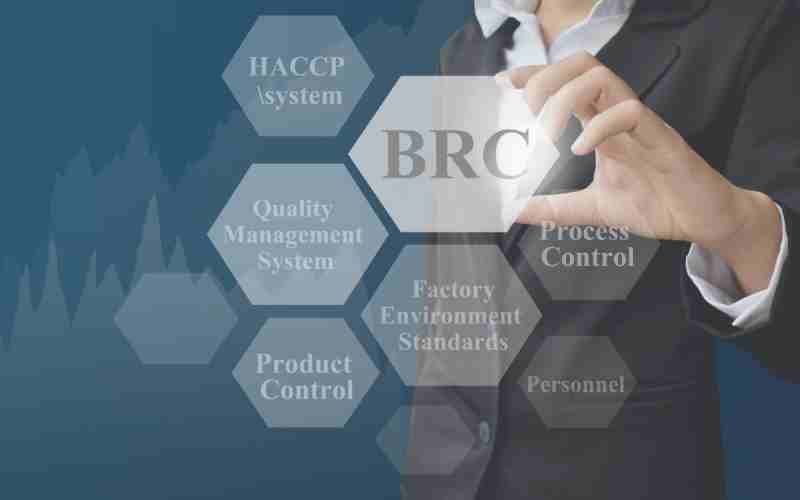
BRC certification (now managed under BRCGS – Brand Reputation Compliance Global Standards) is a globally recognized food safety and quality standard. It ensures that food manufacturers, processors, and distributors meet strict requirements for safety, legality, and product quality.

Understanding BRC meaning is essential for companies supplying major retailers, as many buyers require food safety certification as a condition of doing business.

Why GFSI-recognized Certification Matters in Canada

For food businesses operating in Toronto, Montreal, and Vancouver, BRC certification is more than a compliance tool—it’s a growth strategy.

Key Benefits

  • Retail Access: Required by many global and national retailers
  • Regulatory Alignment: Supports compliance with Canadian food safety laws (SFCR)
  • Risk Reduction: Prevents recalls, contamination, and non-compliance
  • Brand Trust: Demonstrates commitment to food safety and quality
  • Export Readiness: Facilitates access to U.S. and international markets

What Does the BRCGS Standard Cover?

The Food Safety Standard evaluates your entire operation, including:

Core Elements

  • Food safety management systems
  • HACCP-based risk control
  • Good Manufacturing Practices (GMP)
  • Supplier approval and traceability
  • Allergen management and labeling
  • Facility hygiene and sanitation
  • Continuous improvement systems

These requirements ensure your business operates at a globally recognized food safety level.

The GFSI Audit Process Explained

A food safety audit is conducted by an accredited certification body to verify compliance with GFSI standards.

Audit Steps

  1. Documentation Review – HACCP plans, SOPs, records
  2. Facility Inspection – Hygiene, maintenance, operations
  3. Staff Interviews – Awareness and training verification
  4. Traceability Test – Product tracking and recall readiness
  5. Non-Conformities & Corrections – Gap identification and fixes

Successful audits result in certification and listing in the BRCGS directory.

GFSI Certification in Toronto, Montreal & Vancouver

Food companies in Canada’s major cities face increasing pressure from regulators and retailers.

Toronto

Highly competitive market with strong demand from major retailers and import/export businesses.

Montreal

Bilingual compliance environment with strong export activity to Europe and the U.S.

Vancouver

Gateway for international trade, especially in Asia-Pacific markets, requiring global certification standards such as SQF.

Businesses in these cities benefit significantly from professional Food safety consulting to accelerate certification and reduce audit risks.

How Arnika Helps You Achieve GFSI Certification

At Arnika, we provide end-to-end GFSI consulting services across Canada.

Our GFSI Certification Services

  • Gap assessments
  • HACCP system development aligned with GFSI
  • SOP and documentation development
  • Staff training and audit preparation
  • Mock audits and corrective action support
  • Certification readiness for first-time or renewal audits

We help businesses in Toronto, Montreal, and Vancouver achieve certification faster with fewer non-conformities.

Who Needs GFSI Certification?

GFSI certification is ideal for:

  • Food manufacturers and processors
  • Importers and distributors
  • Packaging suppliers
  • Storage and logistics companies
  • Private label food producers

If you supply large retailers or export products, BRCGS certification is often mandatory.

Benefits of Working with a GFSI Consultant

Working with a GFSI consultant like Arnika ensures:

  • Faster certification timelines
  • Reduced audit failures and costly mistakes
  • Fully compliant documentation
  • Staff readiness and training
  • Long-term system sustainability

Conclusion

BRC certification is one of the most powerful tools for food businesses looking to scale, export, and build trust.

By implementing GFSI standards, your company demonstrates commitment to food safety, quality, and global compliance.

With Arnika’s expert consulting services across Canada, you can confidently prepare for your food safety audit and achieve certification with efficiency and precision.

BRC Certification Canada

Add Your Heading Text Here

What is BRC certification?

BRC certification is a globally recognized standard for food safety and quality managed by GFSI.

What is a BRC audit?

A BRC audit is a third-party assessment verifying compliance with the global food safety standard.

Is GFSI certification required in Canada?

Not legally required, but often mandatory for retailers and export markets.

How long does BRC certification take?

Typically, 3–6 months, depending on your current food Safety systems and readiness.

What is the difference between BRC and BRCGS?

BRCGS is the updated global standards body managing BRC certification programs.

Can Arnika help with GFSI certification?

Yes, Arnika provides comprehensive food safety audit consulting, training, and audit-preparation services across Canada.

Which cities do you serve?

We support businesses in Toronto, Montreal, Vancouver, and across Canada.

Table of Contents